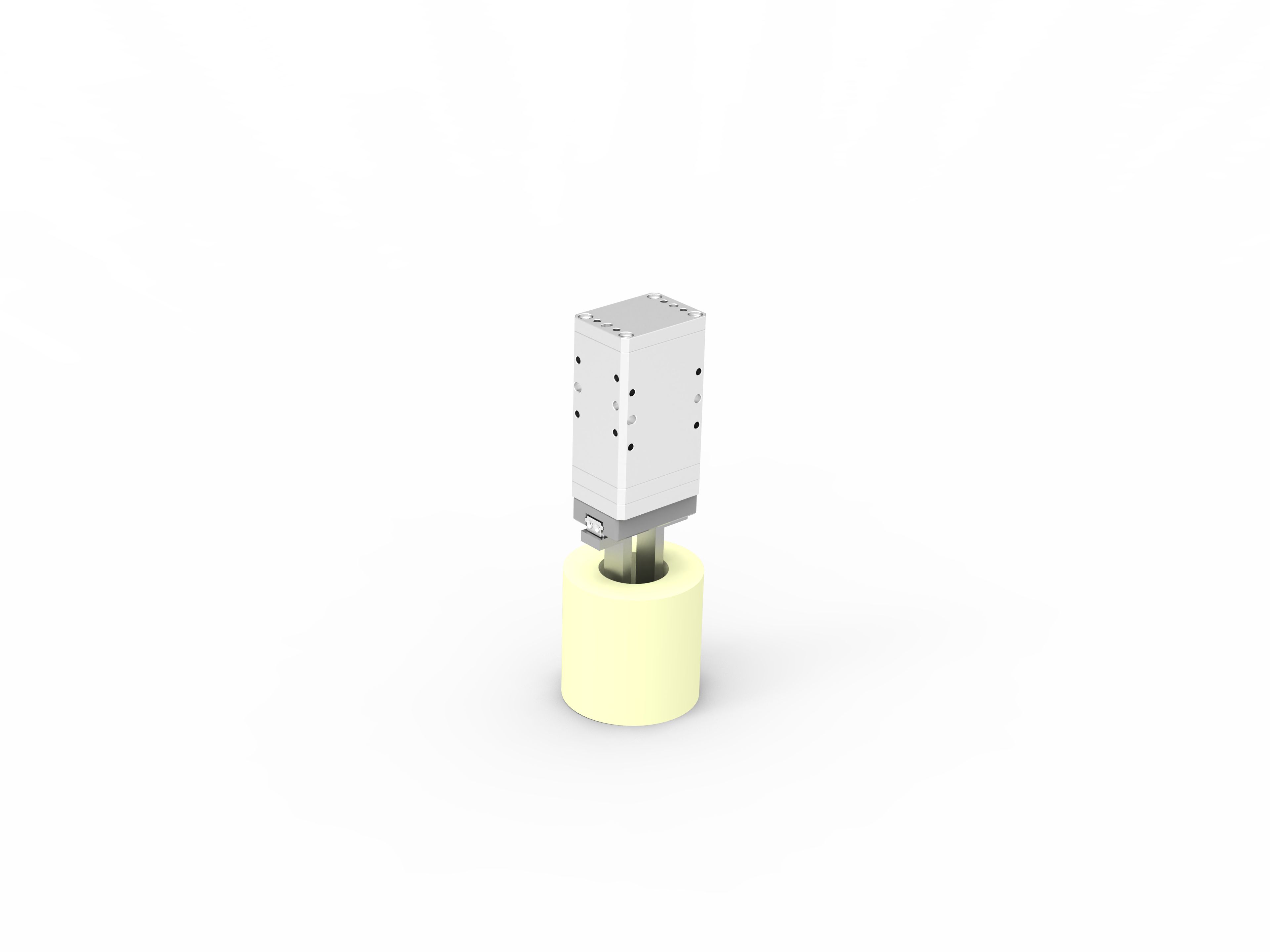
Inner Diameter Measurement
By using the gripping mode, the gripper contacts the inner surface of the workpiece and conducts the inner diameter measurement using the tolerance judgment method.


APPLICATIONS
 3C Electronics
 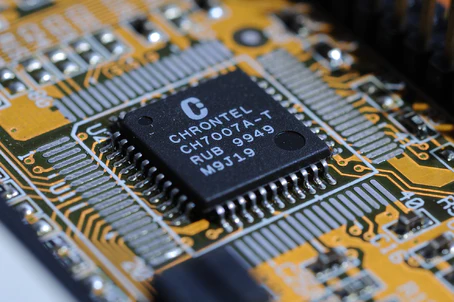 Semiconductors
 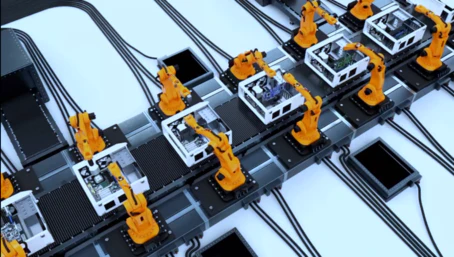 New Energy
 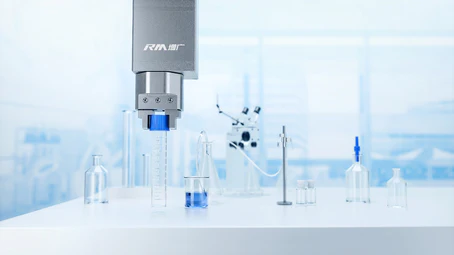 Biomedical
  Automotive Components
  Research & Education
  Optoelectronics
  Factory Automation
 By using the gripping mode, the gripper contacts the inner surface of the workpiece and conducts the inner diameter measurement using the tolerance judgment method.
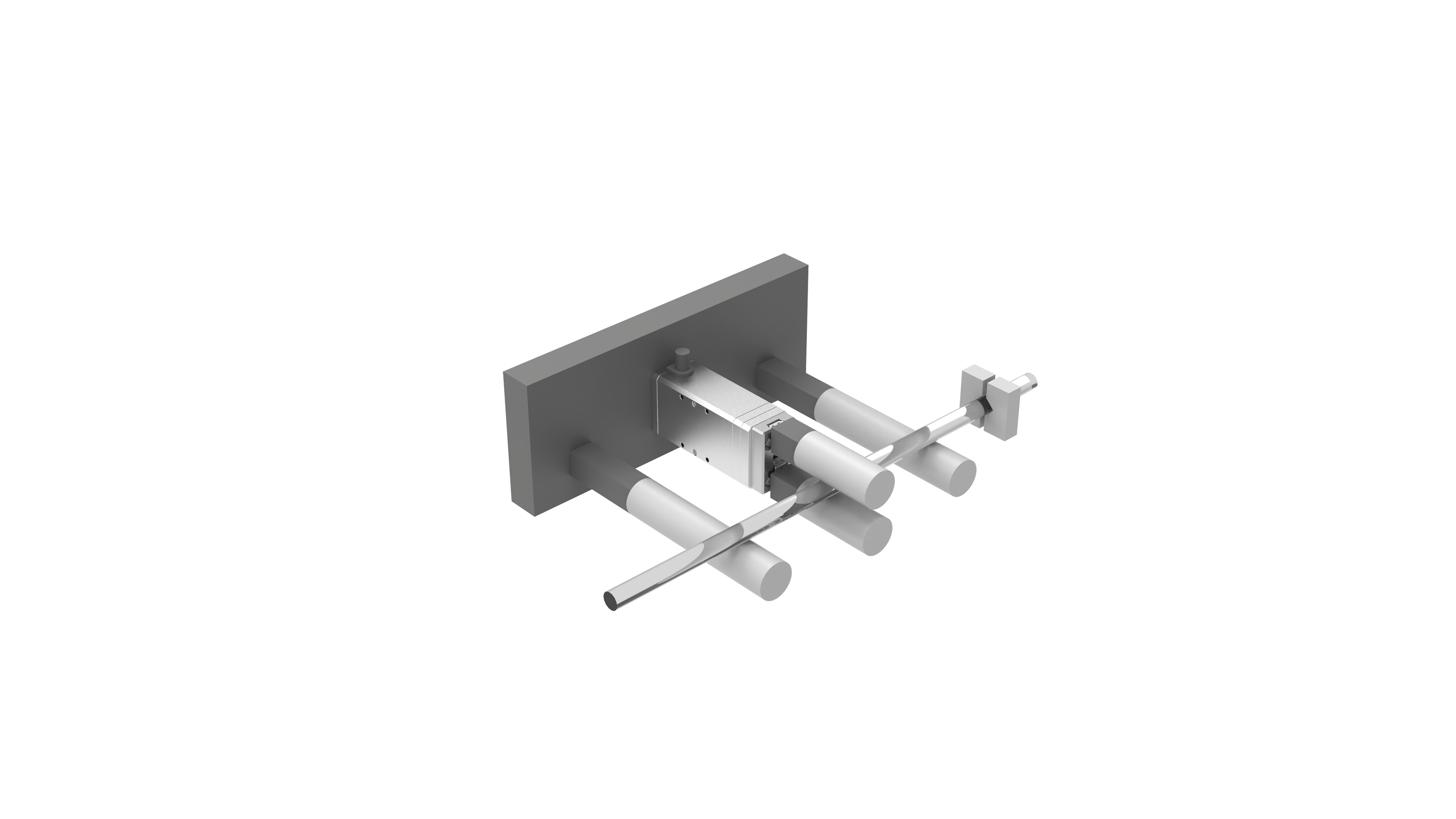
As the molded workpiece passes through the inspection station, the outer diameter data is read out to an upper computer such as a PC or PLC using the measuring mode of the electric gripper. Meanwhile, the gripper itself can complete the tolerance judgment.

The force-position hybrid control of linear actuators is perfectly suitable for the dimension measurement of soft workpieces such as food packaging. It measures the size of workpieces by pushing to a maximum extent without deforming the soft workpiece.
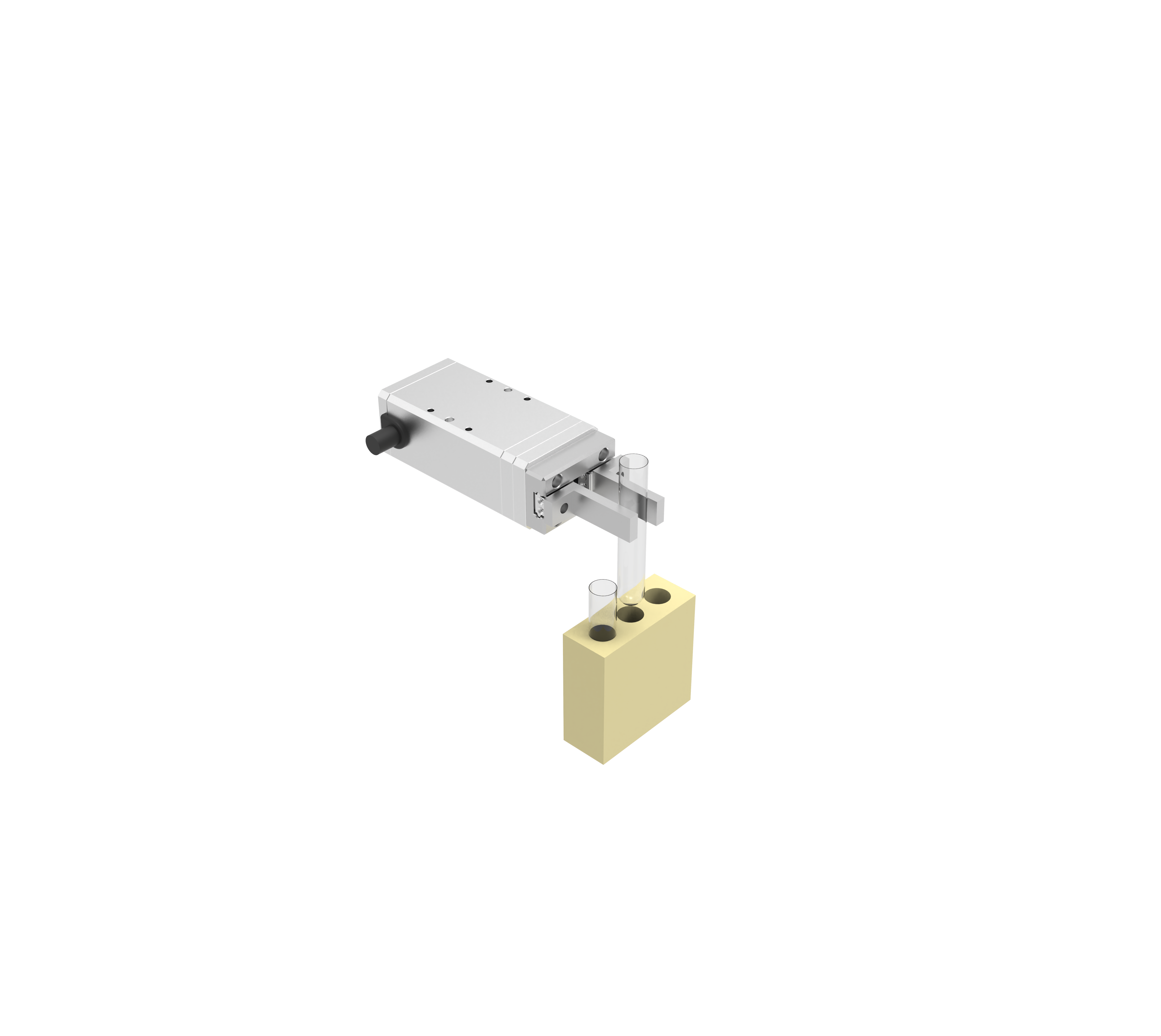
By using the gripping mode, the gripper force is adjusted to grip fragile workpieces. It is applied in scenarios such as test tube gripping and egg gripping.
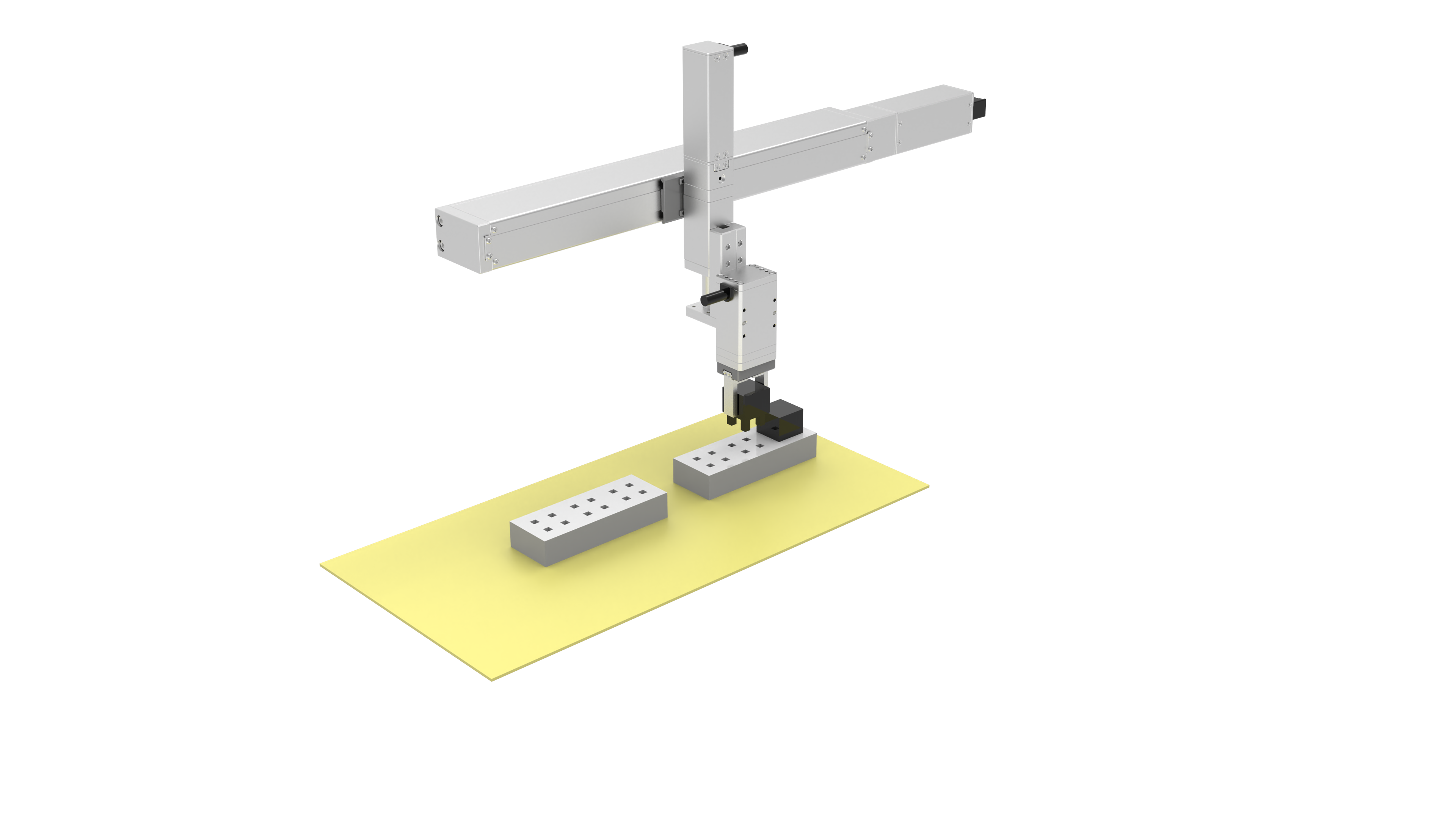
The workpiece is pressed in by using the absolute positioning motion to rise and the pushing motion to descend. The judgment function detects defective products and workpieces jamming in the chuck.
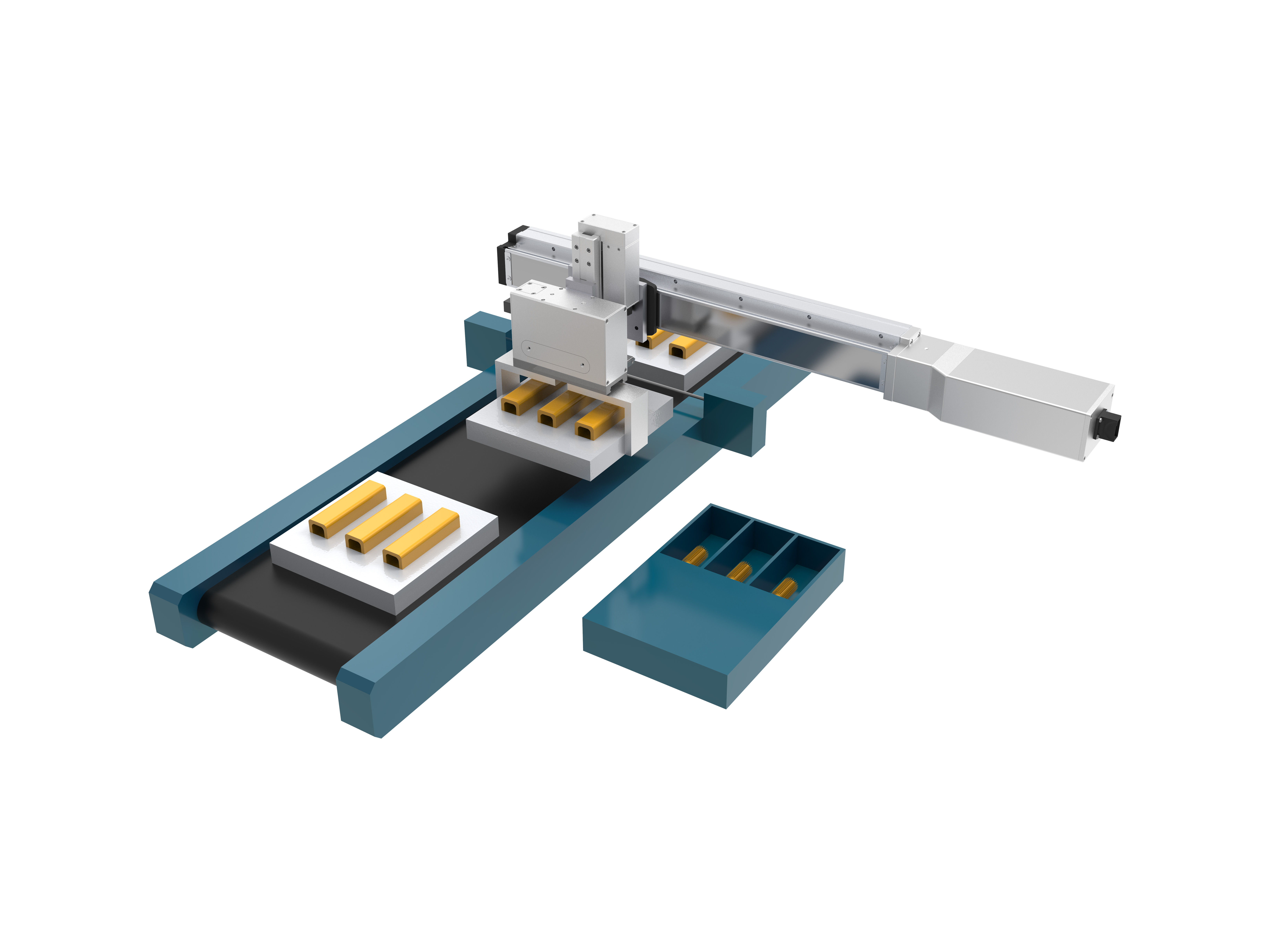
Using RM's electric gripper to grip and load battery modules, the gripper force is controllable, reducing the risk of damaging the batteries and effectively improving yield.
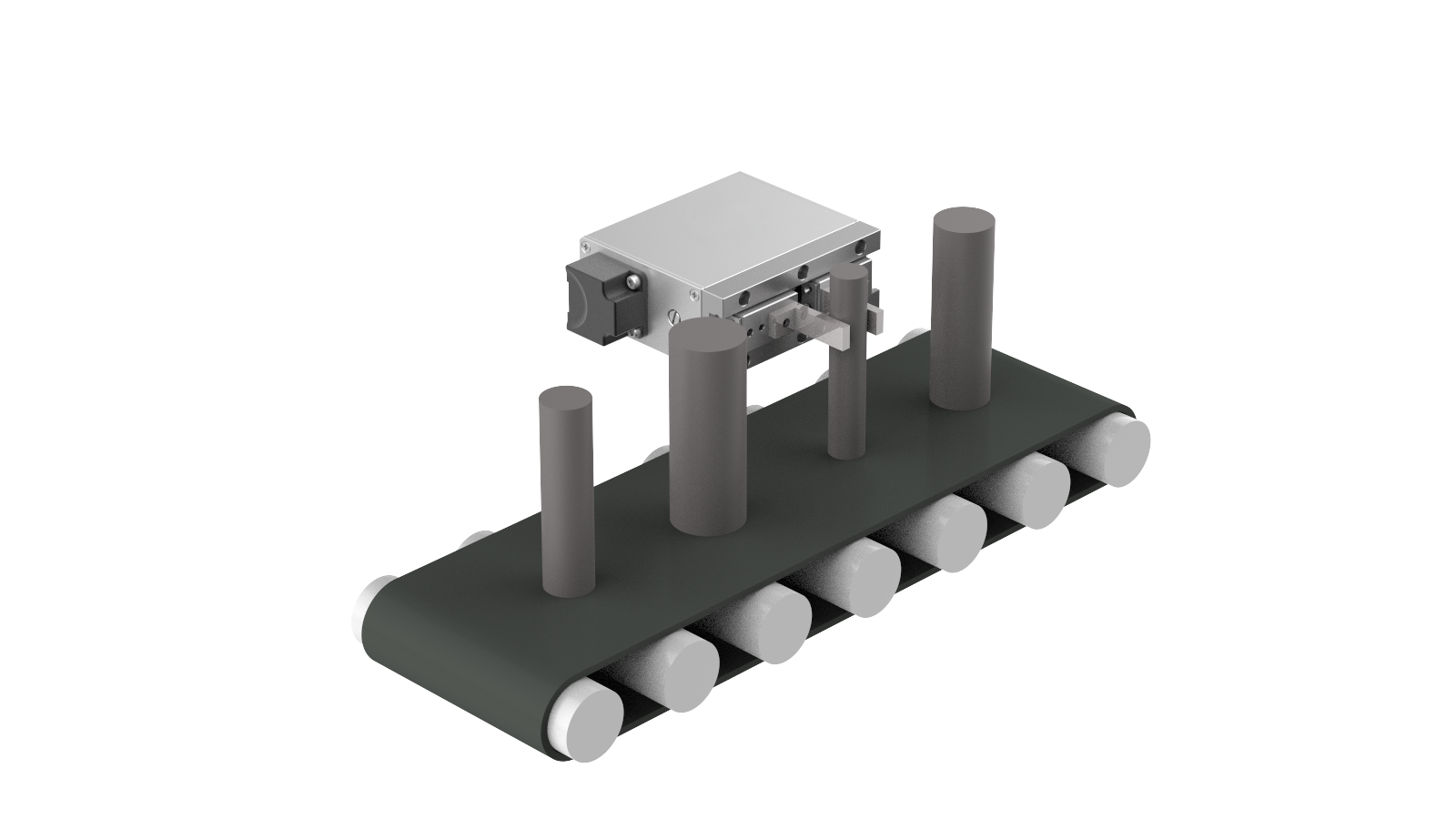
The tolerance judgment is conducted by using the gripping mode to insert the workpiece. It prevents mixing workpieces with different diameters or the outflow of defective products.
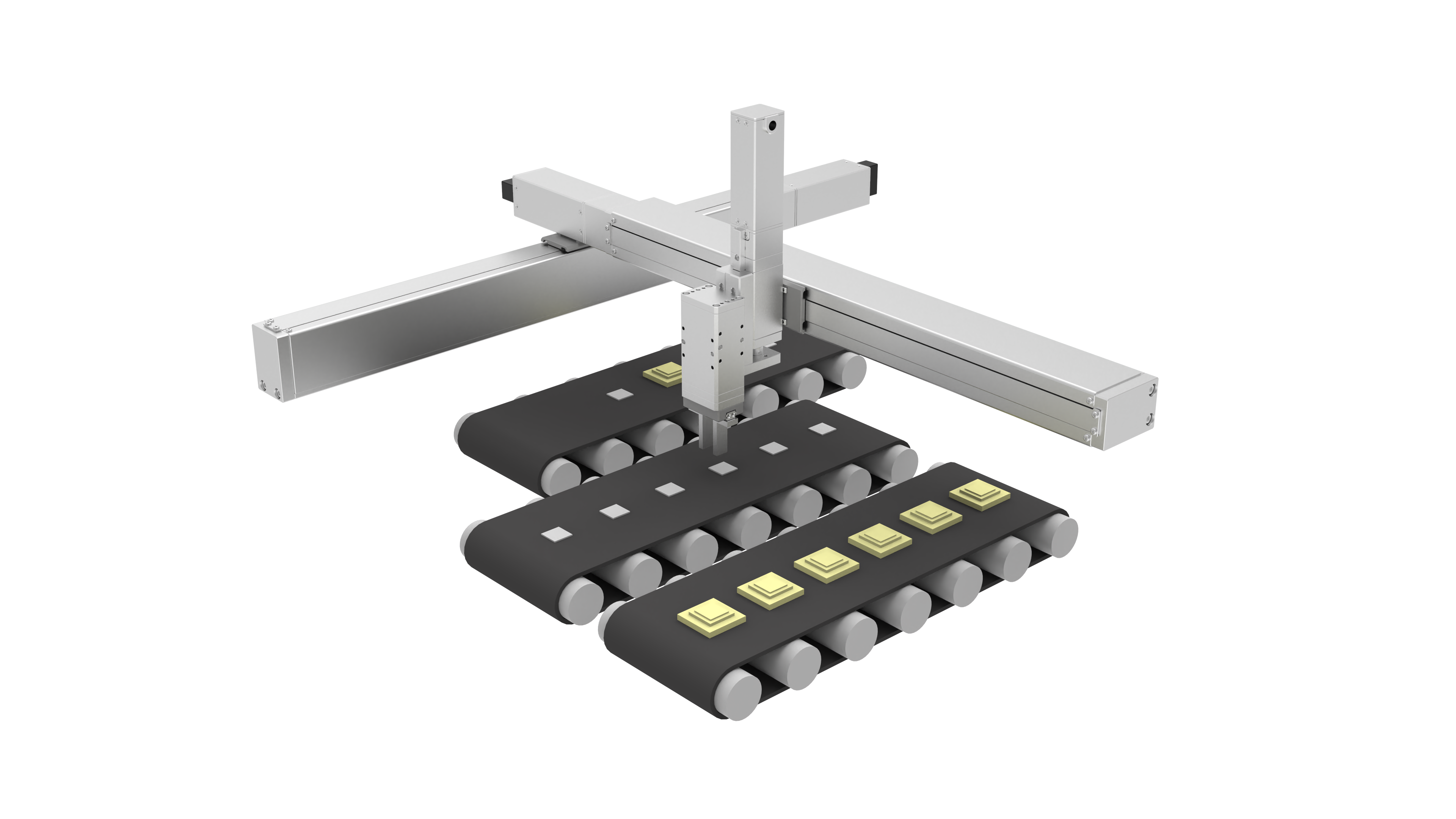
By dimension judgment, various workpieces can be sorted without changing the program. It is applied in sorting various workpieces in small batches.
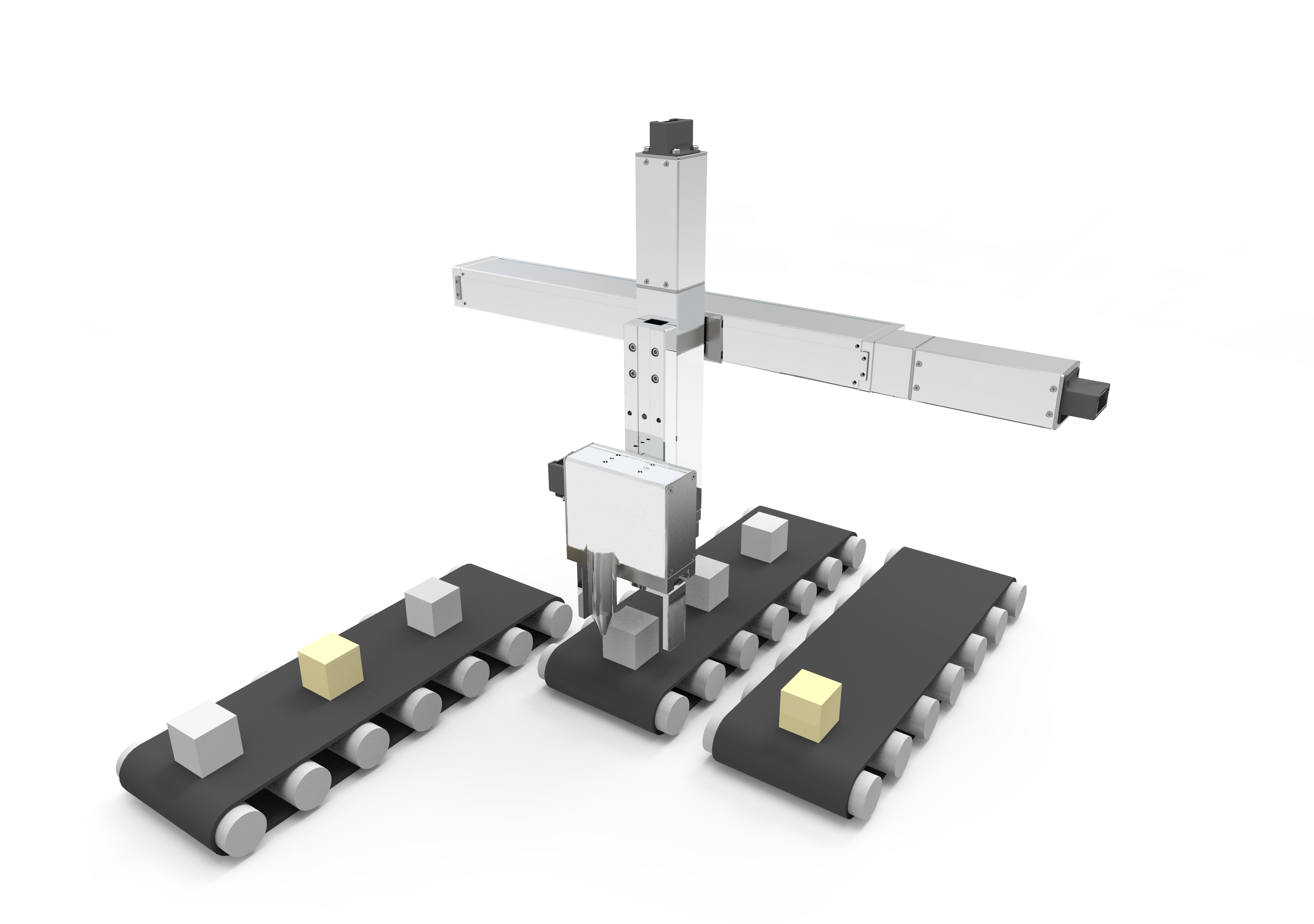
The workpieces are sorted based on the dimensions measured by the gripper using RM's actuator.
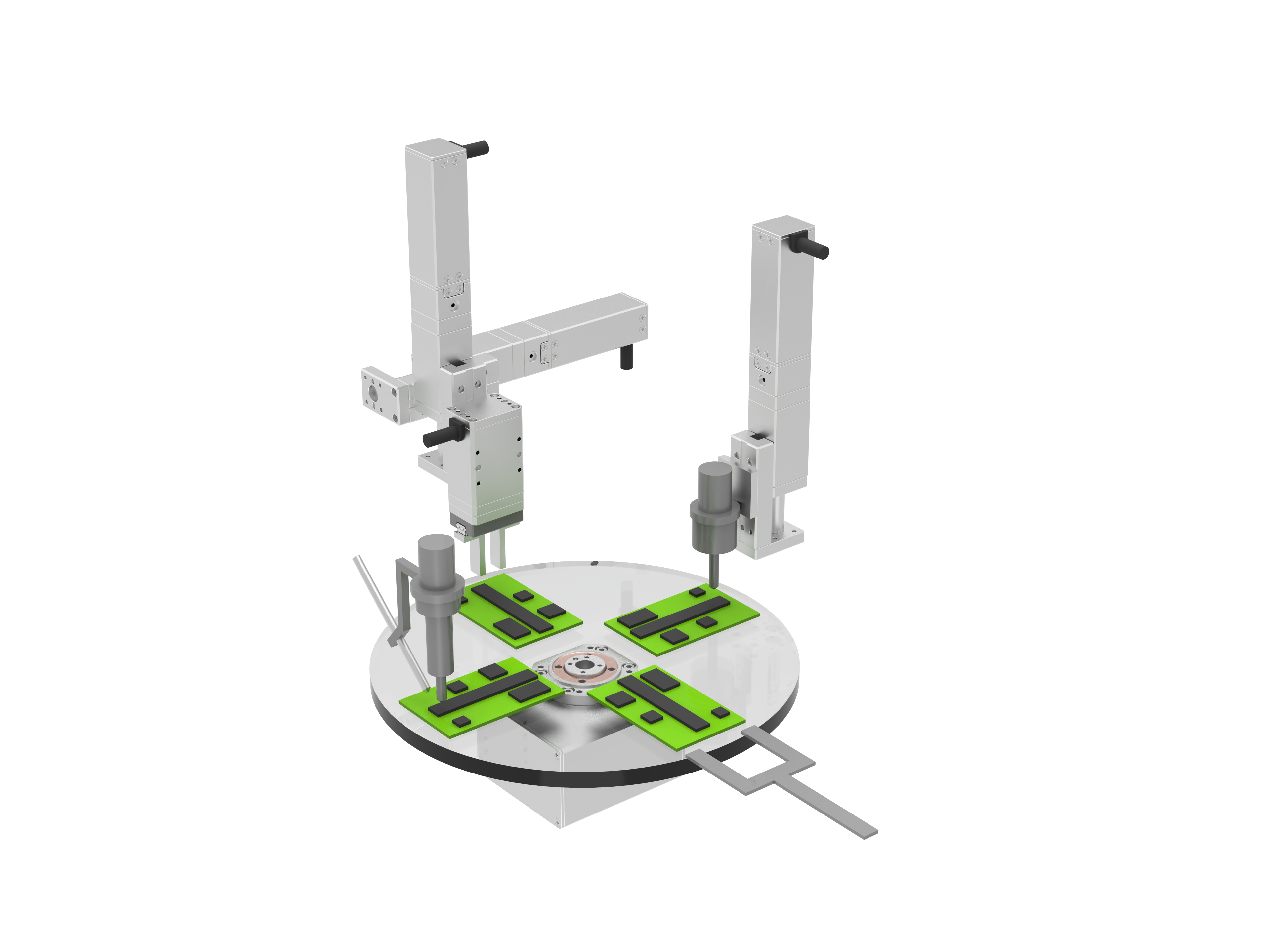
A high-speed automatic assembly system consisting of a platform-type linear actuator, gripper and rotary cylinder achieves precise positioning and force control based on stroke and force settings.
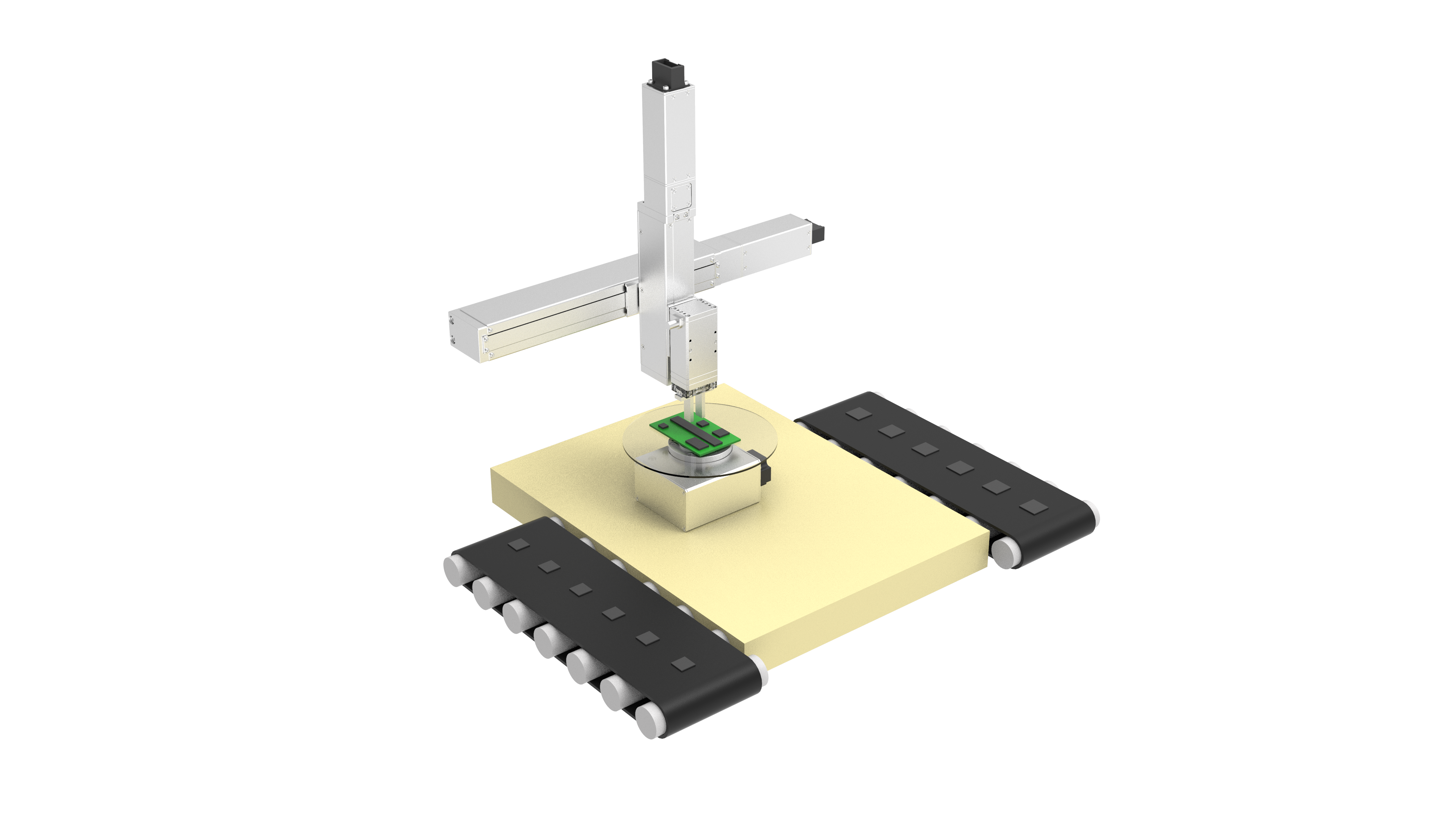
A robot module consisting of a slider, gripper, and linear actuator uses adaptive gripping to handle workpieces of different shapes and insert the component into the PCB.
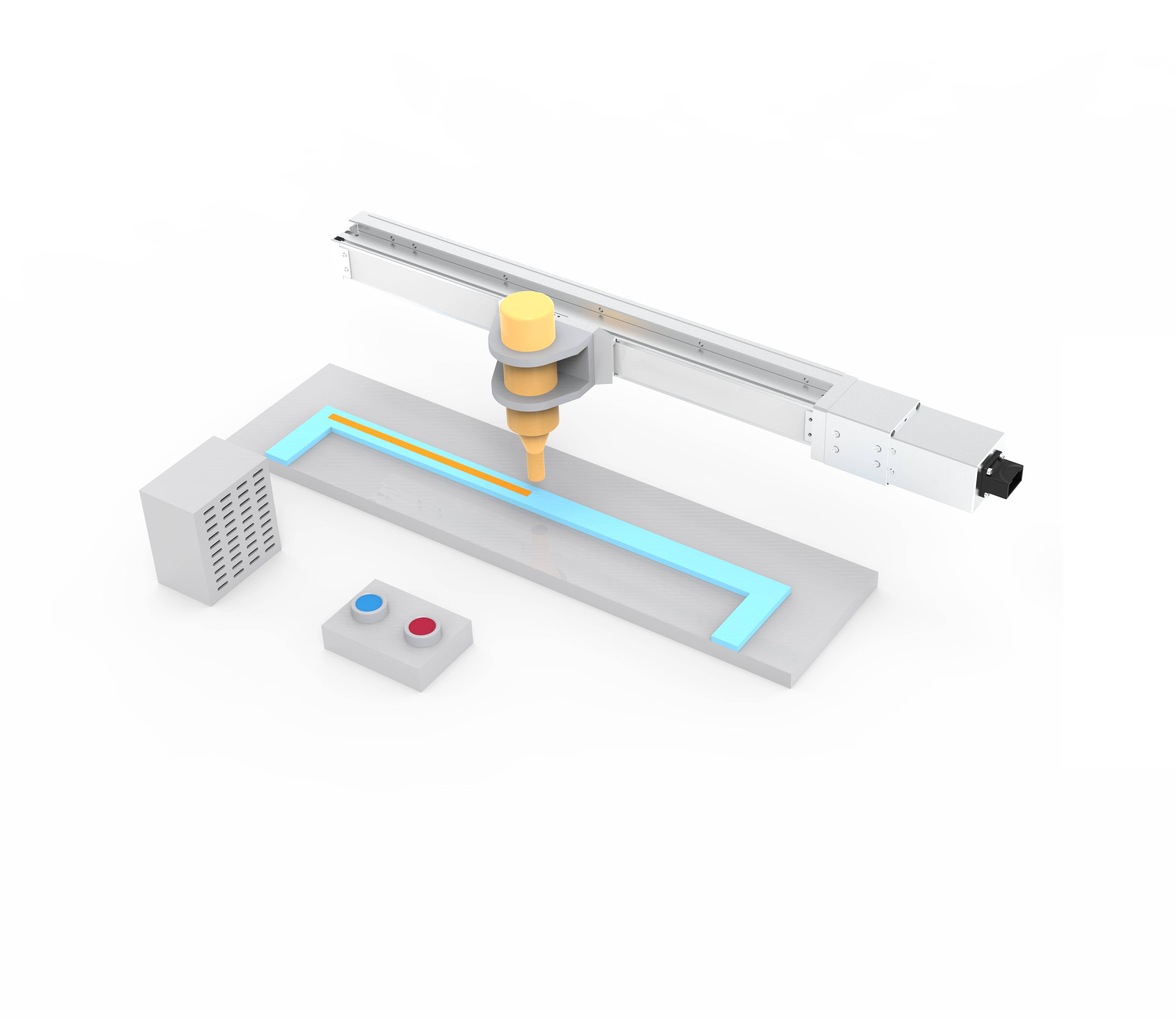
Using an RM actuator, speed values can be set simply and a constant moving speed maintained for even dispensing or welding.
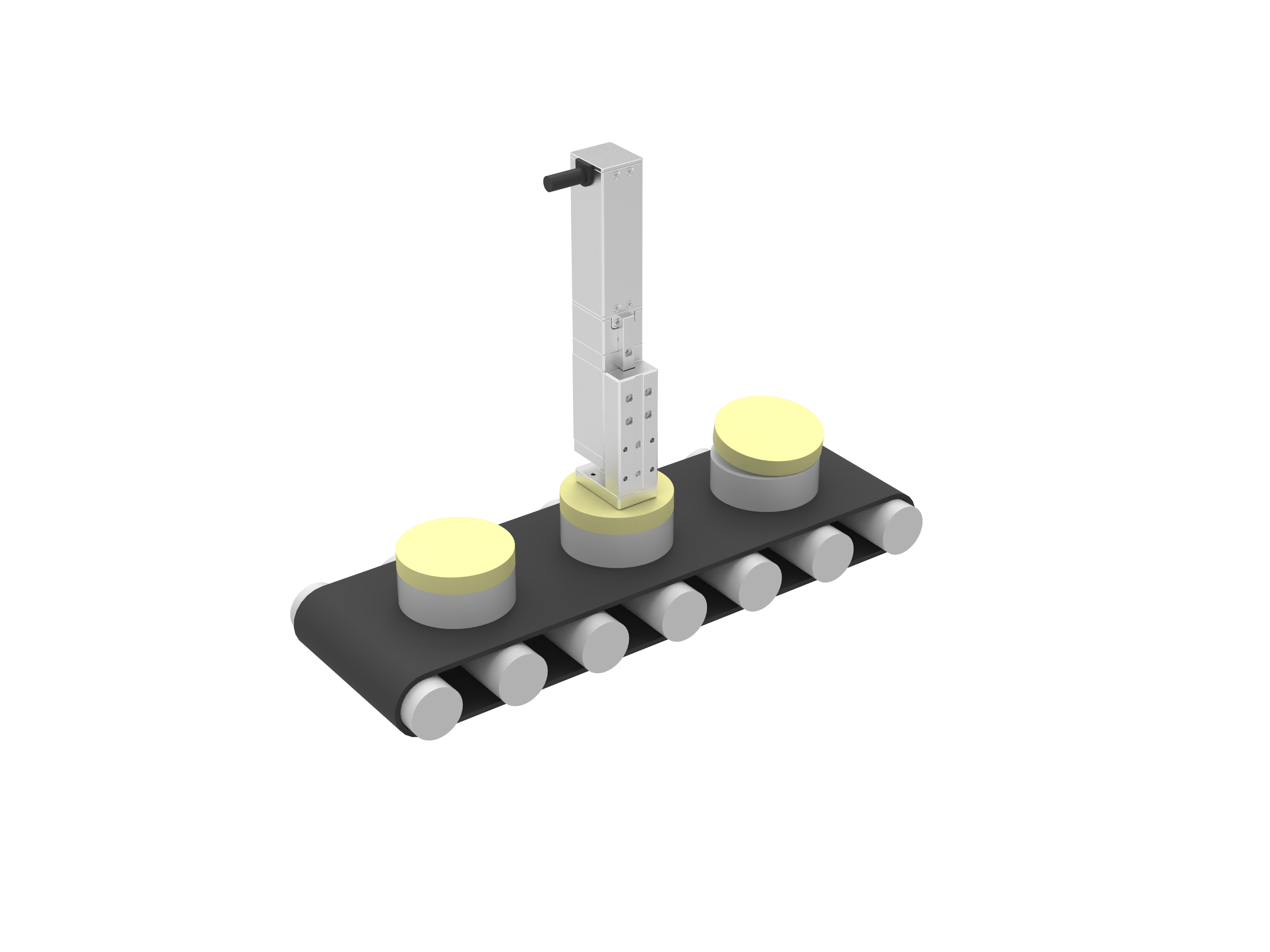
A linear actuator presses pharmaceutical caps into place, while the judgment function detects errors such as protruding workpieces or chipped caps.
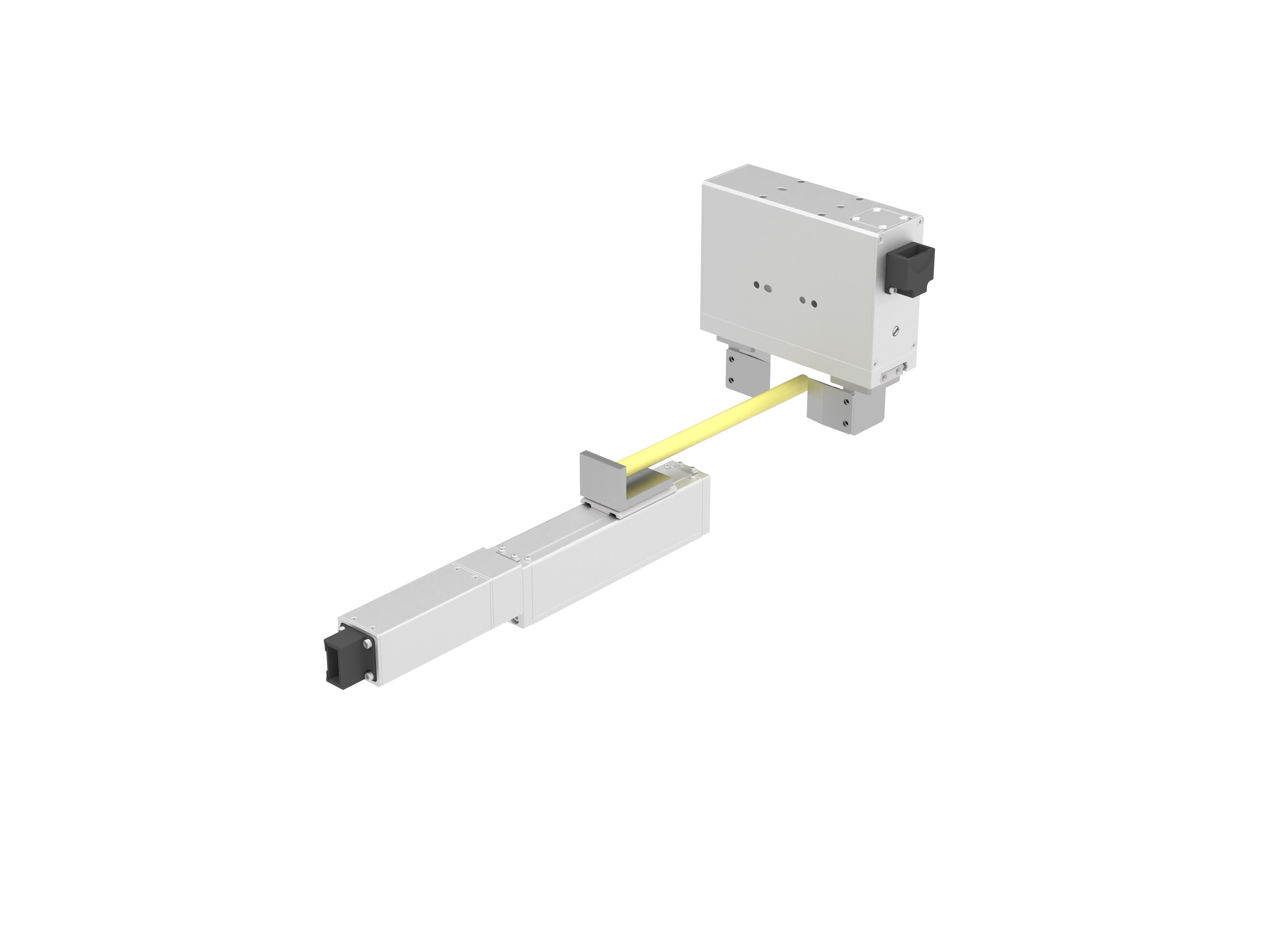
The workpiece is pushed into the cutting device by an electric slide, and an electric gripper equipped with a specialized blade cuts the workpiece.
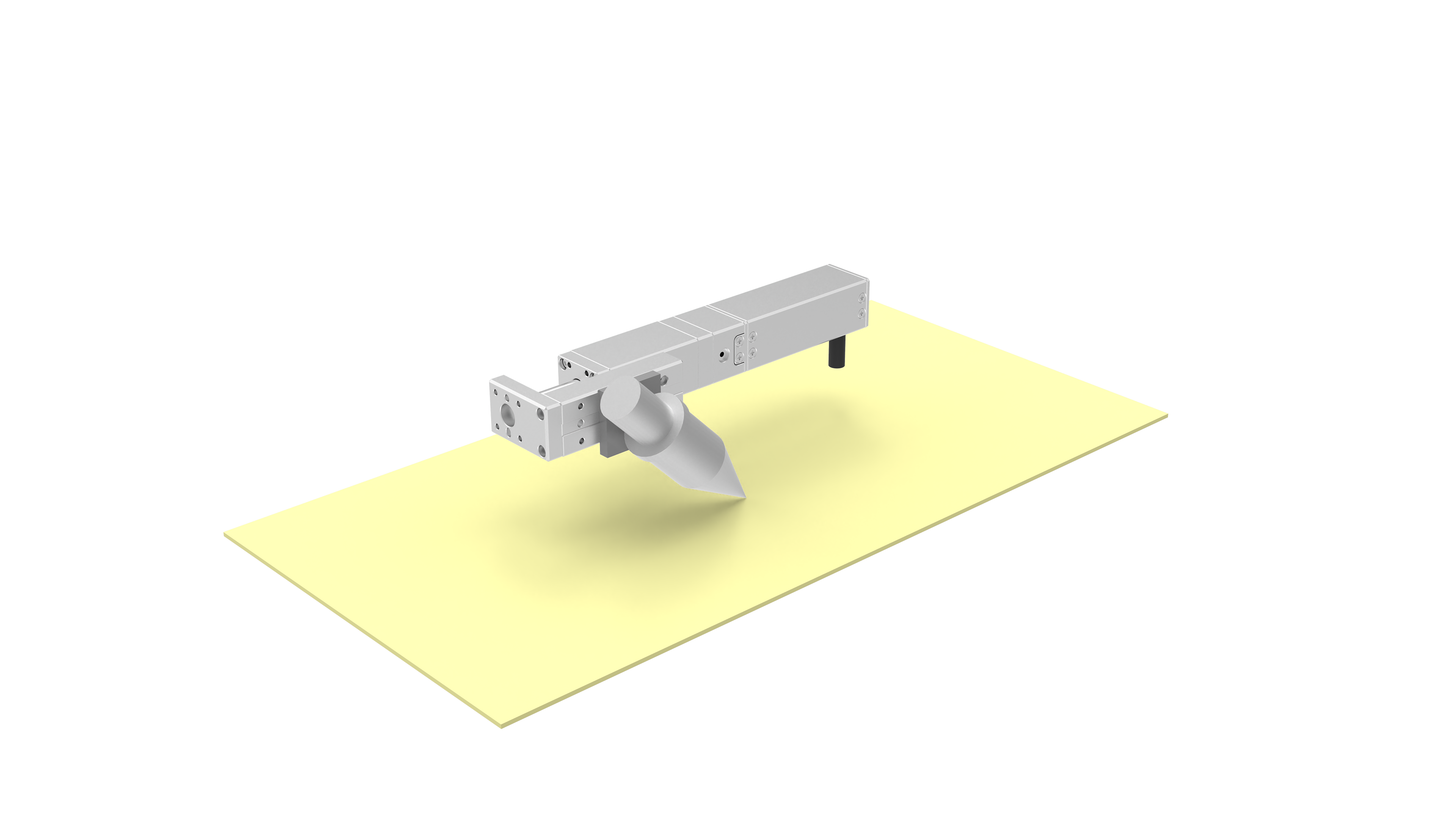
The pushing position and force can be set as needed according to the working conditions.
An electric gripper and rotary cylinder form a rotating grip that uses dynamic speed variation for high-speed and stable workpiece gripping and supply.
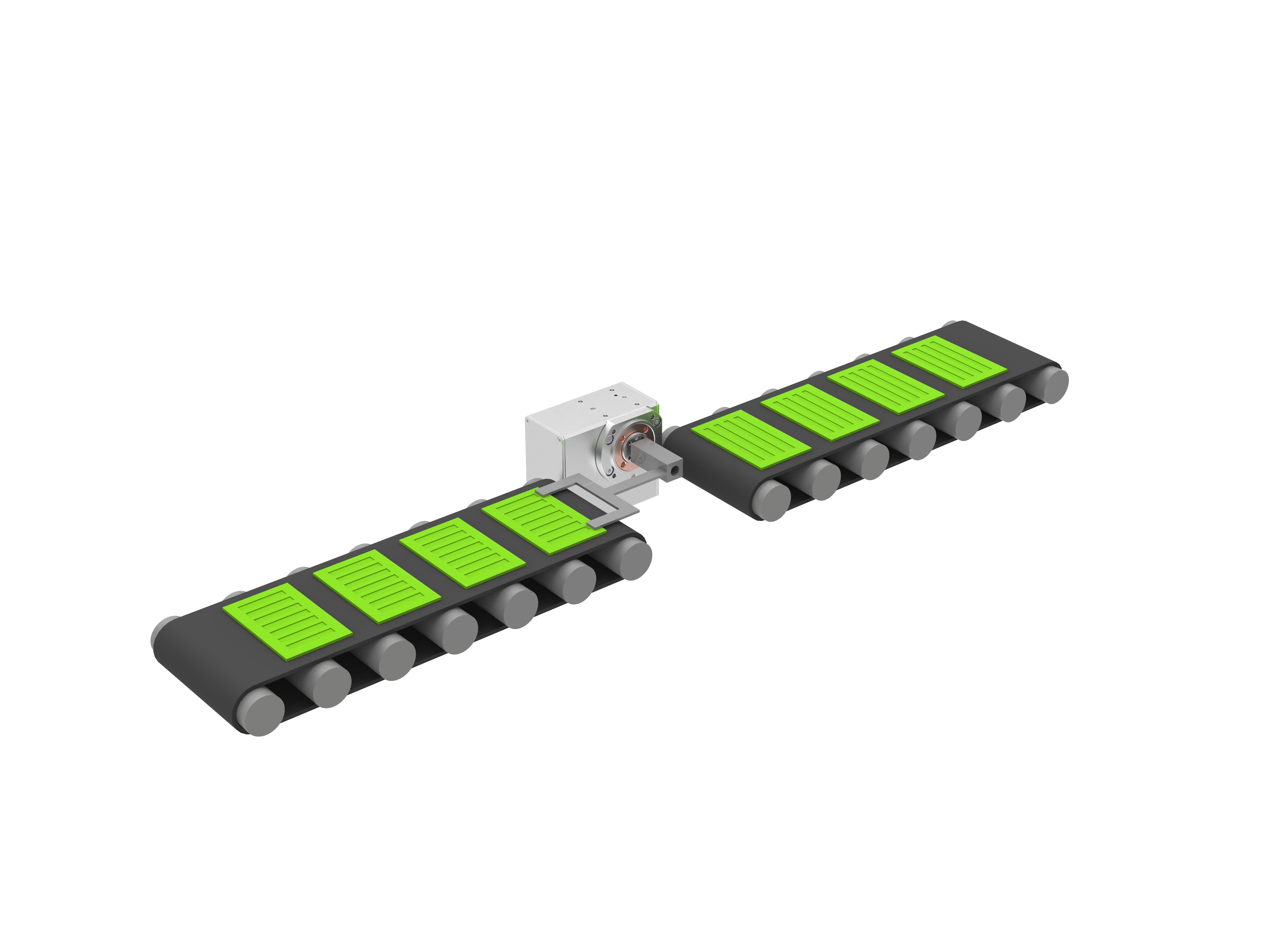
The rotary cylinder rotates in a vertical plane at an adjustable speed, flipping the workpiece steadily and moving fragile workpieces flexibly.
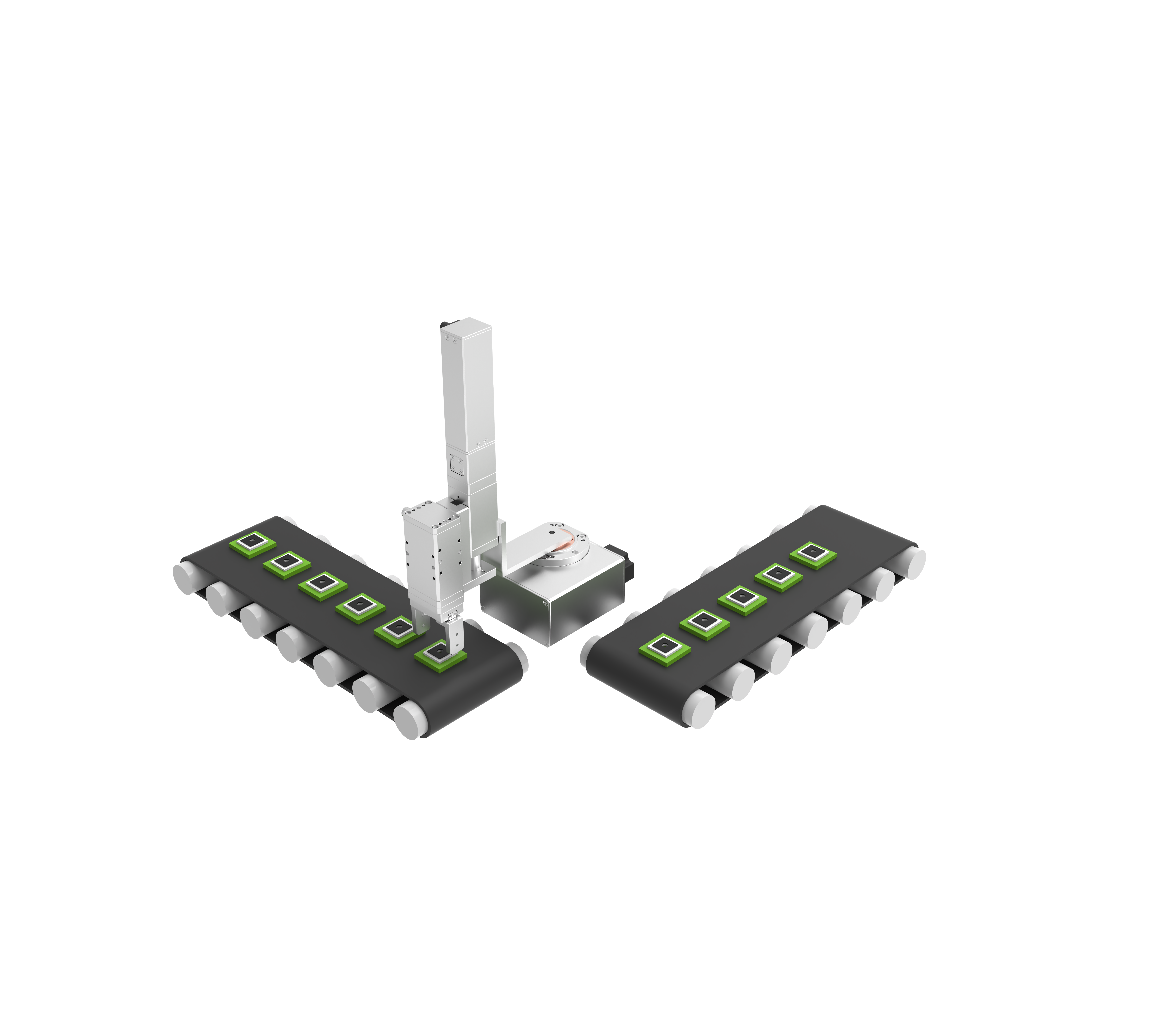
A linear actuator fixed on a rotating table transfers workpieces on a conveyor belt back and forth through rotary motion.
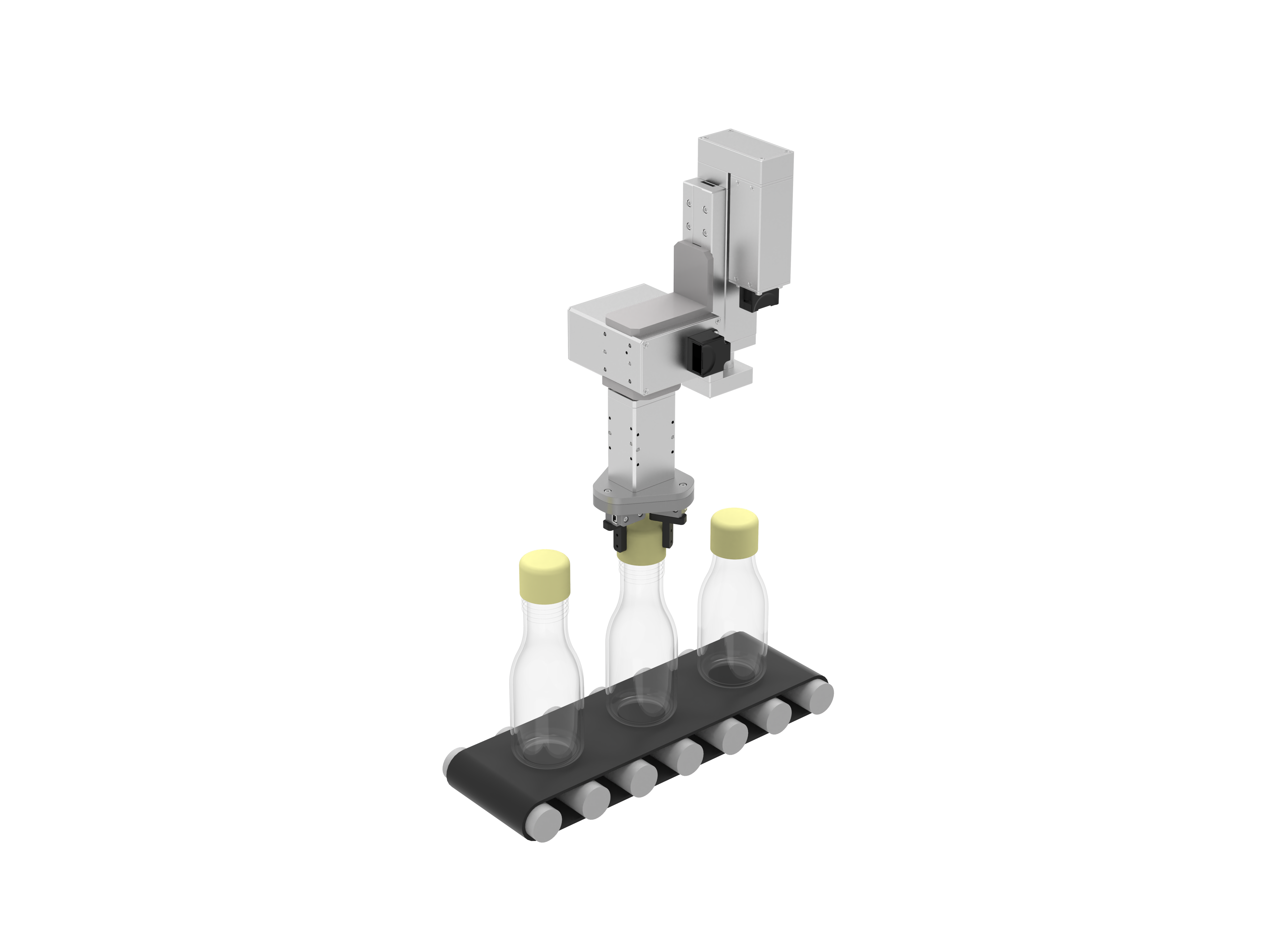
A three-axis robot composed of a mini gripper, rotary cylinder and linear actuator grips and rotates a bottle cap, then lifts it slowly.
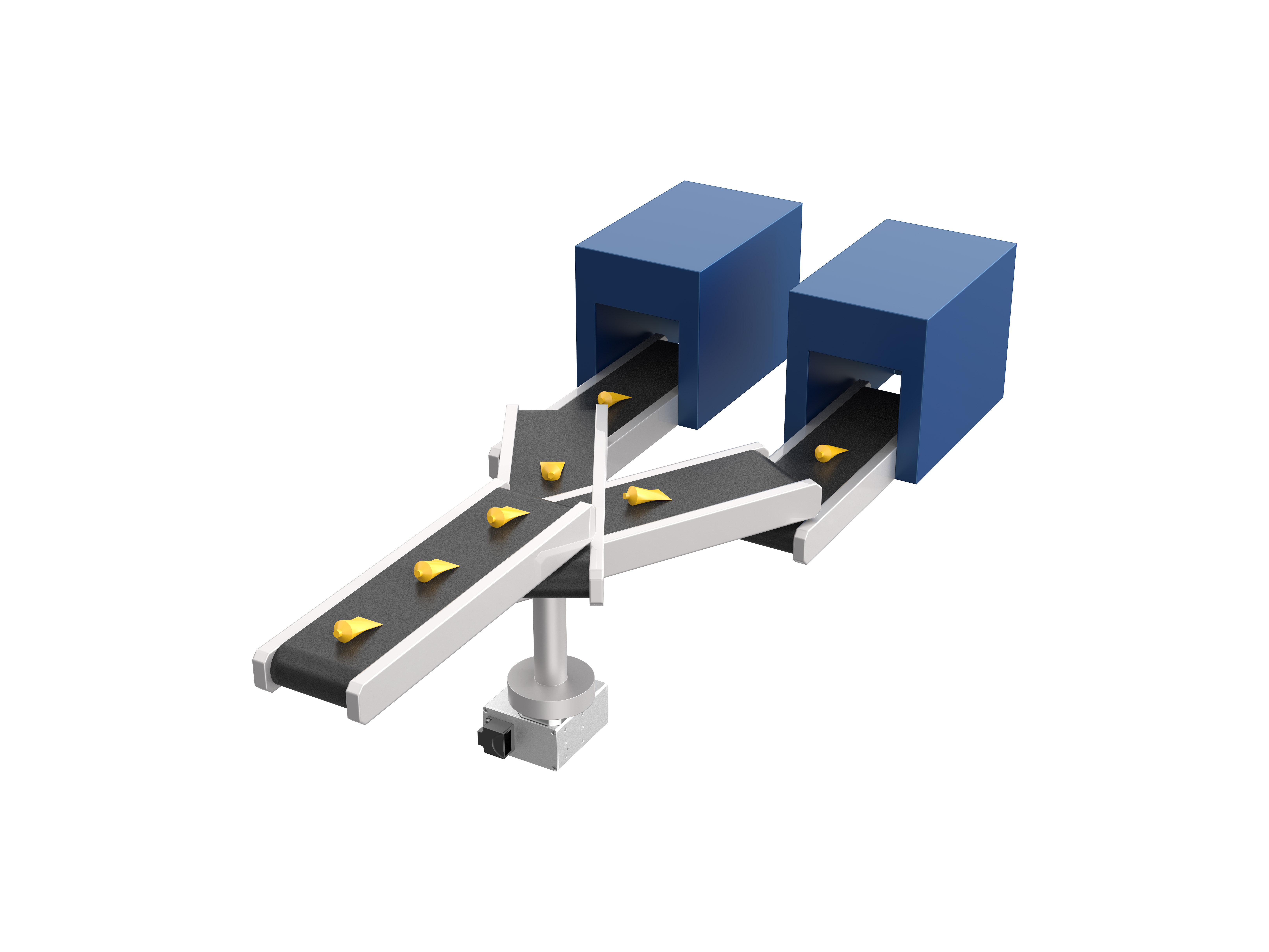
RM rotary cylinders and linear actuators separate and transport materials at loading and unloading points, improving efficiency and reducing impact.
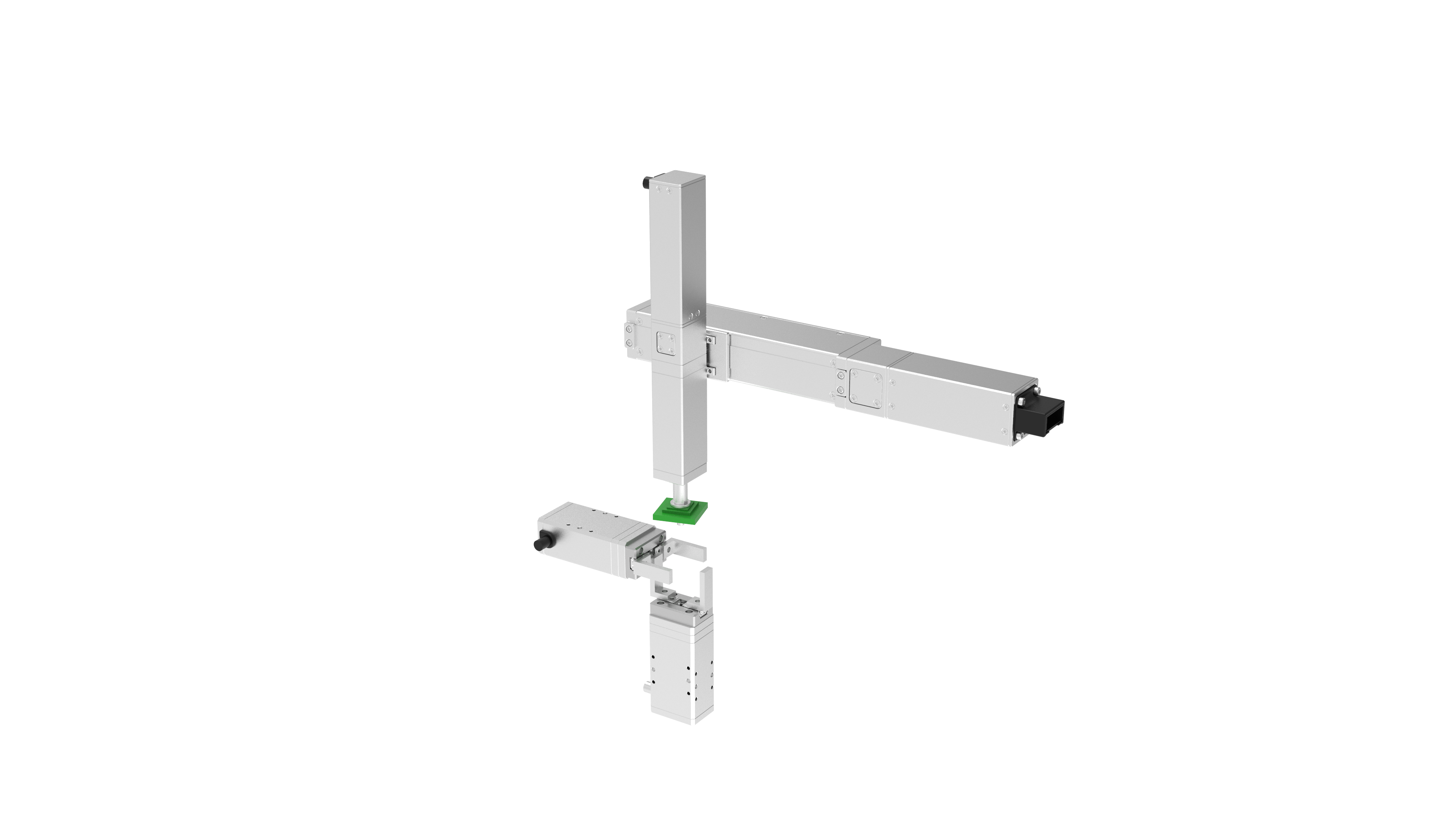
During pick-and-place, two electric grippers correct component positions in longitudinal and transverse directions.
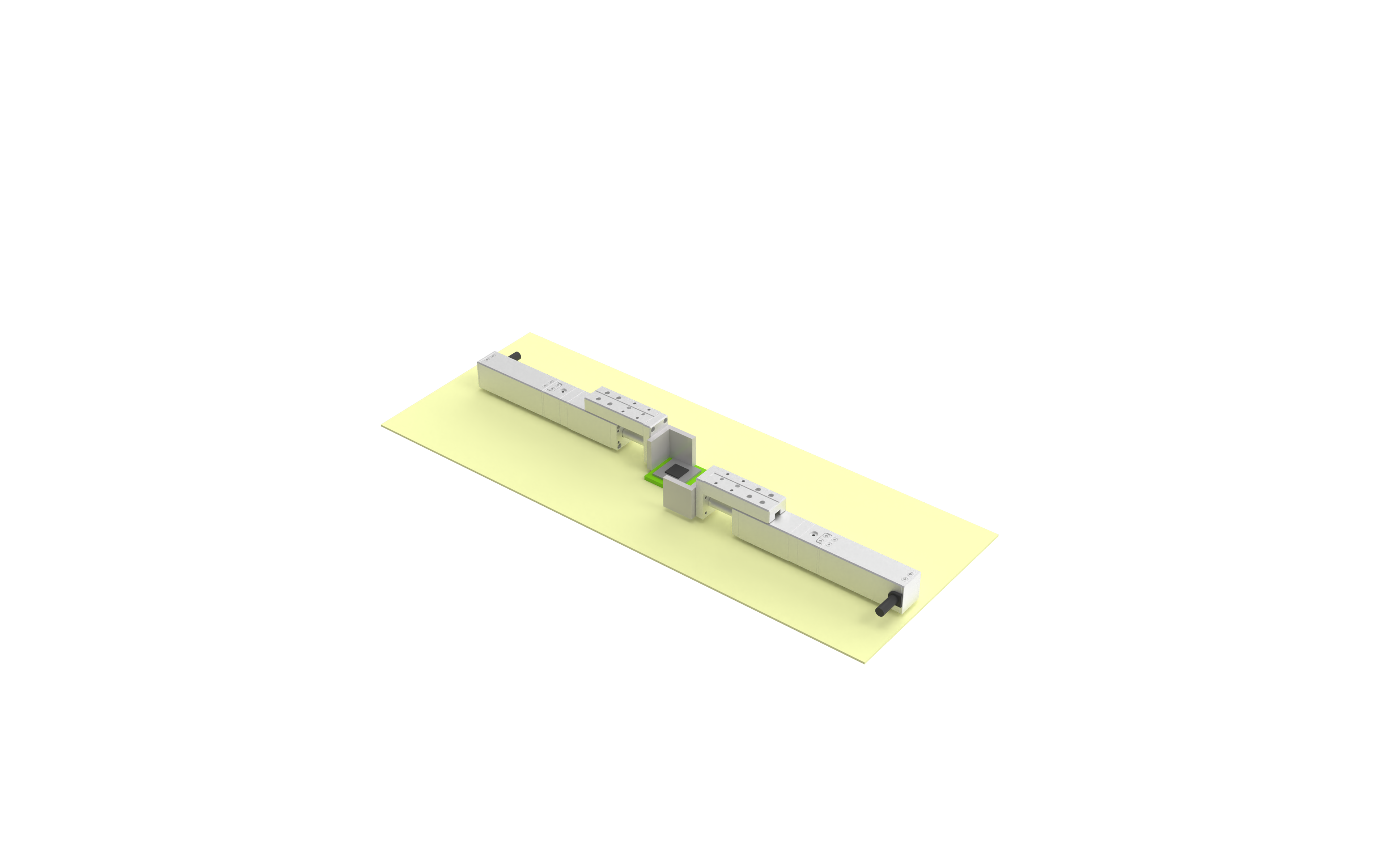
Component positions are corrected through the SMT process using two linear actuators in different directions.
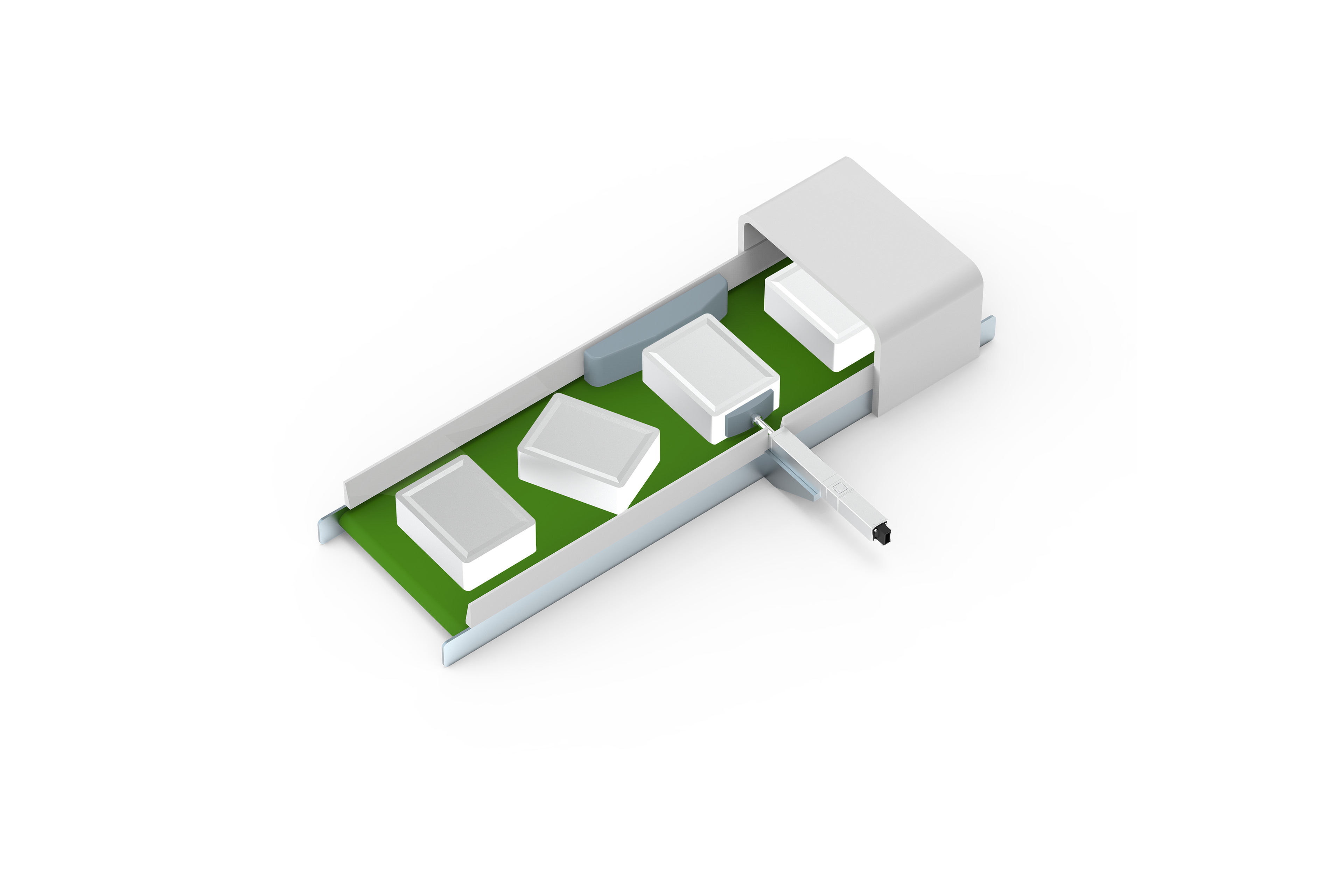
For fragile workpieces such as glass and food packaging, multi-stage motion control enables gentle pressing, rapid position adjustment and lower defect rates.